Maison Yame · 八女 · Fukuoka, Japan
Single origin, grown under shade in the mist of Oku-Yame. A ceremonial usucha for hotels, tearooms and cafés.
The Maison
The Garden · 奥八女
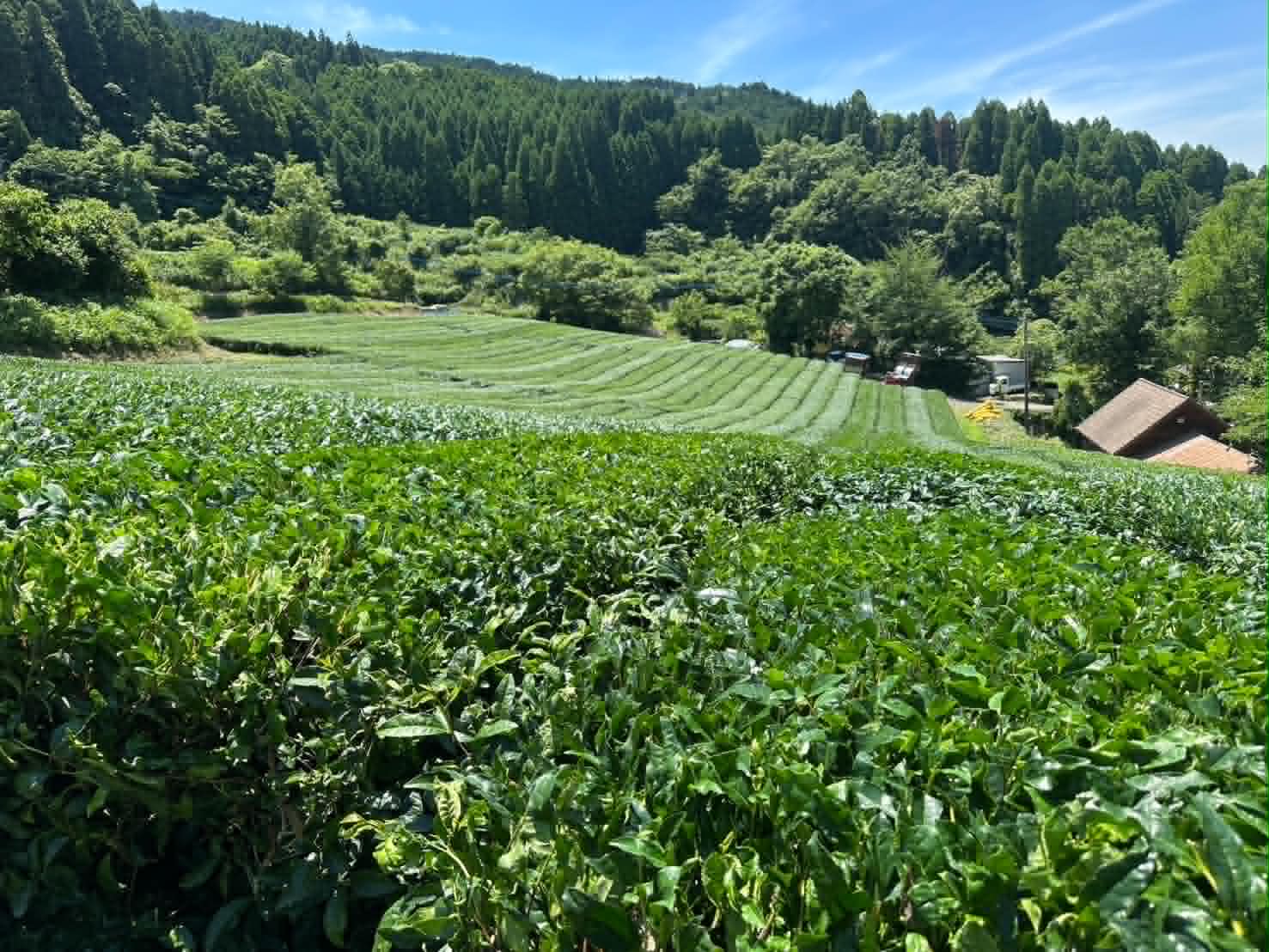
Yame reaches up the Yabe River valley in southern Fukuoka. In the steep villages of Kuroki, Jōyō, Yabe and Hoshino, together called Oku-Yame or "deep Yame", heavy rainfall and a wide day-to-night swing pull mist over the leaf. The mist softens the sun, and the leaf holds on to the theanine that becomes umami. Gyokuro and tencha are shaded some twenty days before picking.
Sources: Fukuoka Prefecture · Hoshino-mura. "Oku-Yame" is a regional name, not an administrative district.
Where · 八女
Yame sits on Kyushu, in the south of Japan, up the Yabe River valley about an hour inland from Fukuoka city.
The finest leaf comes from the four mountain villages of Oku-Yame:
Yame, Fukuoka, Japan · approx. 33.2°N, 130.6°E
A tasting impression of the Yame No.95, not a measurement. The second-harvest lots read softer than the first-harvest Okumidori.
Heritage · 1423
Yame tea is traditionally said to date to 1423, when the Zen monk Eirin Shūzui returned from Ming China and gave tea seeds and technique to a landholder at Kasahara, in what is now Kuroki.
The temple he founded, Reiganji, is honoured as the birthplace of Yame tea; in 2023 the region marked 600 years. Every official record presents this as tradition, not documented fact, so that is how we tell it.
Sources: Fukuoka Tea Council · City of Yame · MAFF.
A tasting impression of the Yame No.95, not a measurement. The second-harvest lots read softer than the first-harvest Okumidori.
The Distinction
Sources: Fukuoka Tea Council — competition record · Fukuoka Prefecture (79th, 2025) · MAFF GI Register No. 5
What we are trying to get right is simple. The bowl you serve in New York should taste like the bowl we drink here.Maison Yame
The Craft
The Harvest · 摘採
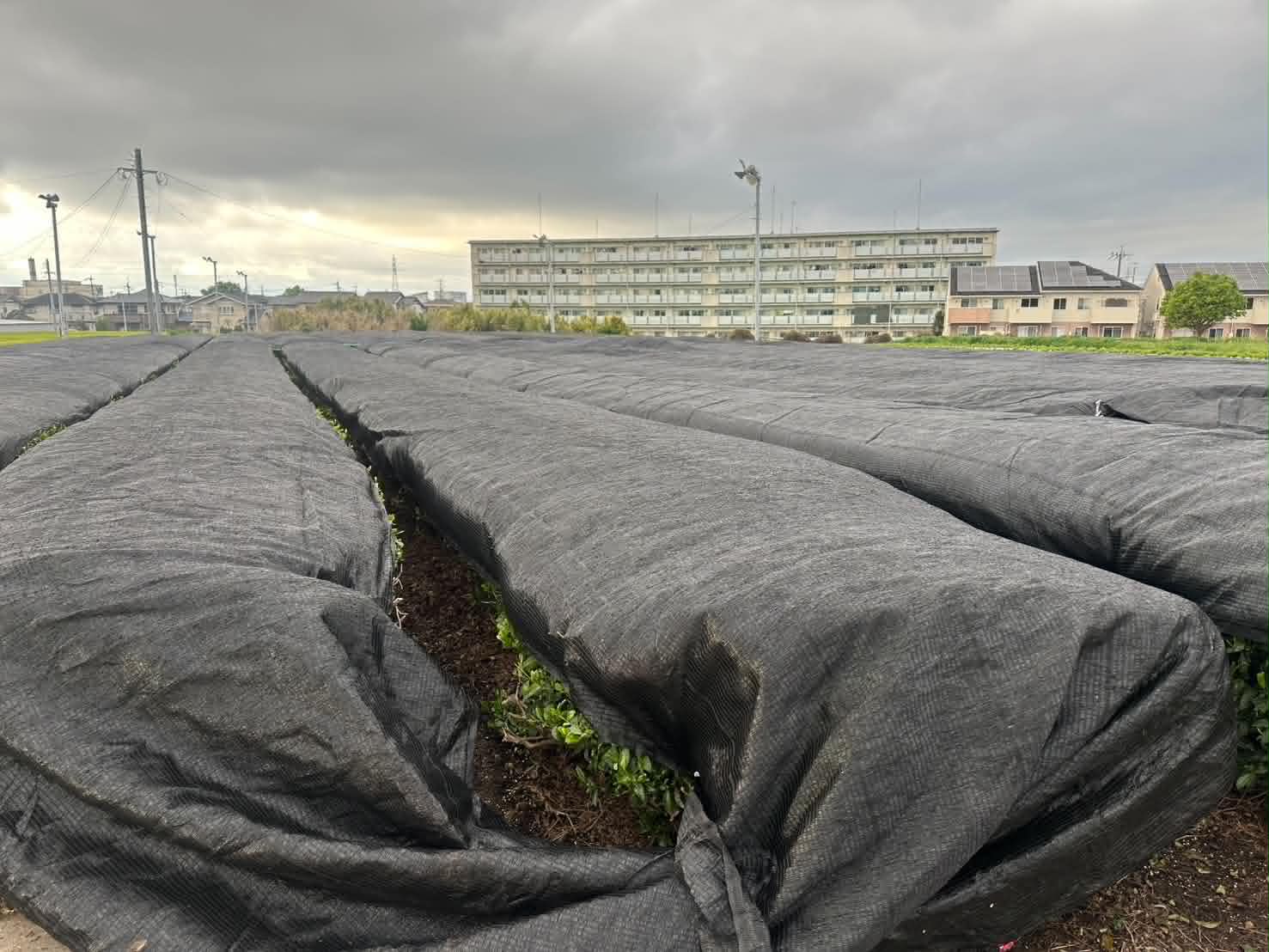
When the flush peaks, the rows are taken in one pass, only the tender top leaves. The GI gyokuro is still picked by hand; the tencha rows ride the machine within hours of their moment, because freshness begins in the field.
The Leaf
In Hoshino the gyokuro gardens are still shaded under wara-ōi, woven rice-straw, and still picked by hand. Those are the practices behind the GI-registered "Yame Dentō Hongyokuro."
The GI protects the gyokuro; the same shade-grown care carries into the tencha that becomes our matcha. Yame works across a small family of cultivars.
Sources: Hoshino-mura · Fukuoka Tea Council · MAFF GI Register.
A tasting impression of the Yame No.95, not a measurement. The second-harvest lots read softer than the first-harvest Okumidori.
The Cup · House Tasting Profile
Deep and brothy. That is the shaded leaf's theanine, and you get it on the first sip.
Soft, marine and long. No sugar in it, just leaf grown slowly in mist.
Very little. Nothing green or drying at the finish.
A tasting impression of the Yame No.95, not a measurement. The second-harvest lots read softer than the first-harvest Okumidori.
A Portrait · 60 Seconds
The Tea · For Service
A ceremonial-grade usucha in professional tins for hotels, lounges and cafés. Your team gets the same green in every bowl, and a supply line that holds.
Yame is the house tea. We also carry lots from Chiran in Kagoshima and from elsewhere in Kyushu, named as such, for buyers who want a second or a cheaper bowl on the menu.
In premium hospitality the cost of a bowl is a small fraction of its menu price, which is why buyers here weigh provenance and consistency heavily.
A tasting impression of the Yame No.95, not a measurement. The second-harvest lots read softer than the first-harvest Okumidori.
The Cap
The Trim
The Seal
A tasting impression of the Yame No.95, not a measurement. The second-harvest lots read softer than the first-harvest Okumidori.
For Buyers
Top gyokuro-producing area for 25 years running (79th, 2025). The competition record is linked below, so you can check it.
"Yame Dentō Hongyokuro" is a Geographical Indication, registered in 2015 and enforced by Japan's MAFF. The GI covers the gyokuro, not matcha, but it is the standard the region is held to.
Packed for service, and consistent enough that the third bowl tastes like the first.
We are taking on our first North American accounts now: hotels, lounges, restaurants and cafés.
The House · 人
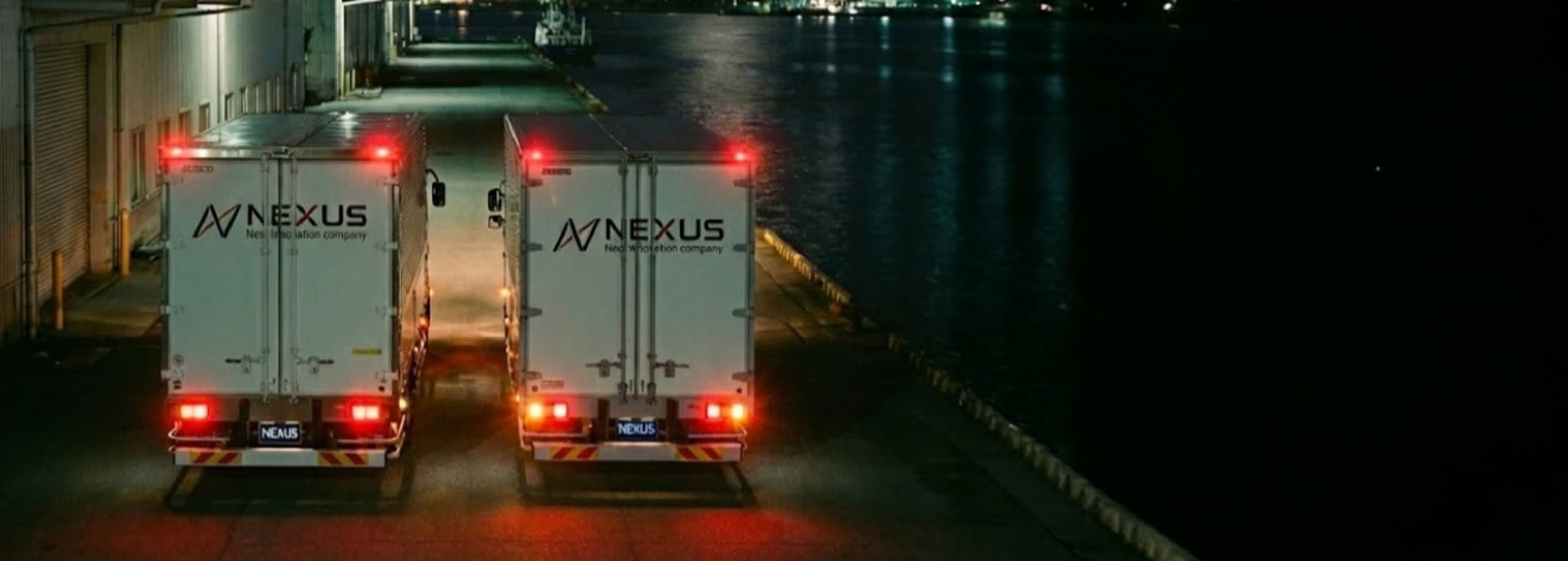
Maison Yame is small on purpose. I read and answer every enquiry myself, and every tin ships from Japan through our logistics partner NEXUS, based in Ookawa, Fukuoka, about half an hour from the gardens.
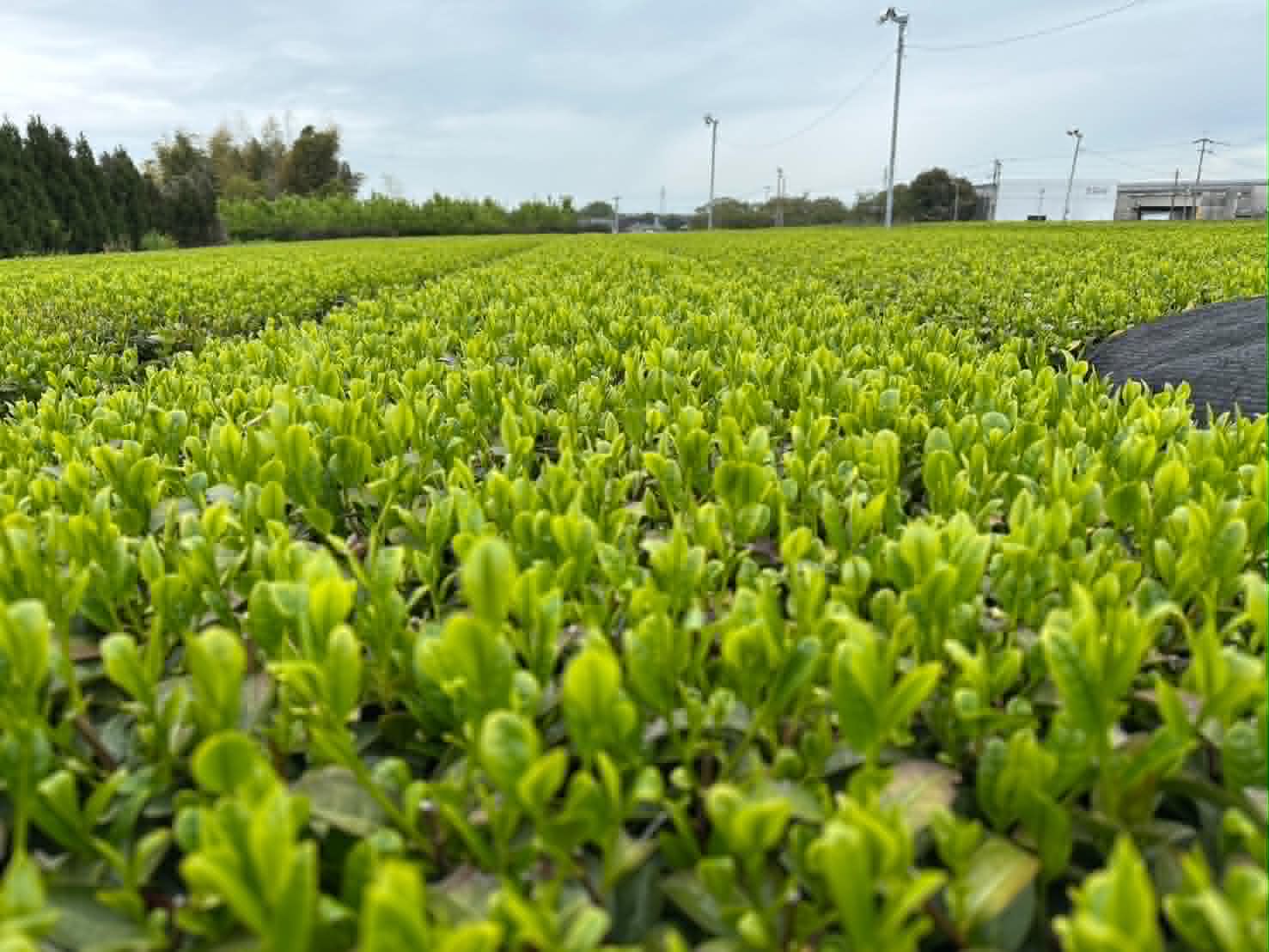
Every photograph and film on this page was taken at origin: the shaded rows, the new flush, the pick on the hillside. As we confirm each season's growers, I will introduce them here by name, with their fields.
Taiichi Wada, Maison Yame
A tasting impression of the Yame No.95, not a measurement. The second-harvest lots read softer than the first-harvest Okumidori.
The Supply Line · 物流
Matcha does not keep. Light, oxygen and heat dull the green within weeks, so we handle the journey the way we handle the tea: sealed at origin, kept dark and cool, and never left sitting anywhere.
LOGI BOX®︎ — packed, flown, servedWatch the full film by NEXUS GLOBAL →
International Logistics by
Based in Ookawa, Fukuoka, half an hour from the gardens
Storage, management and transport under one partner, so a tin leaves the mill and reaches your kitchen with the fewest hands and the fewest hours in between. That freshness is the luxury.
A tasting impression of the Yame No.95, not a measurement. The second-harvest lots read softer than the first-harvest Okumidori.
For Buyers · Practical
We can ship DDP — duties, customs and door-to-door delivery handled with our logistics partner NEXUS — or work with your nominated importer of record. The FDA facility registration sits with the producing mill, not with us, so we confirm it per shipment instead of quoting a number here. Prior Notice is filed by the customs broker of record. Tell us your city and we will come back with the cleanest route.
In English: residual-pesticide analysis, certificate of origin, and an allergen / specification sheet. A radiation certificate on request. Our current lots are conventionally grown, so we have no organic certification to show, so the tea passes your venue's onboarding and food-safety review.
Matcha is light- and air-sensitive, so it ships sealed in commercial tins; store cool, dry and away from light. Each tin is best-before dated, one year from milling. We can advise par levels so your service always pours fresh, vivid green.
Small opening orders are welcome. We would sooner get the first order right than make it big. In-stock grades dispatch promptly; reorders ship from Japan via NEXUS, our logistics partner in Ookawa, Fukuoka. Exact case packs and timing are confirmed with your quote.
A proforma invoice on the opening order, with terms by arrangement thereafter. Incoterms typically DDP for a turnkey experience, or EXW / FOB if you prefer to run your own freight.
Allocation
The shaded gardens are small and the spring pick is finite. Founding accounts receive priority allocation, founder pricing, and first introductions to each season's growers.
Request a founding allocationCorrespondence
For hotels, lounges, restaurants and high-end cafés in North America. Tell us about your service and we'll send grade details and a sample.